



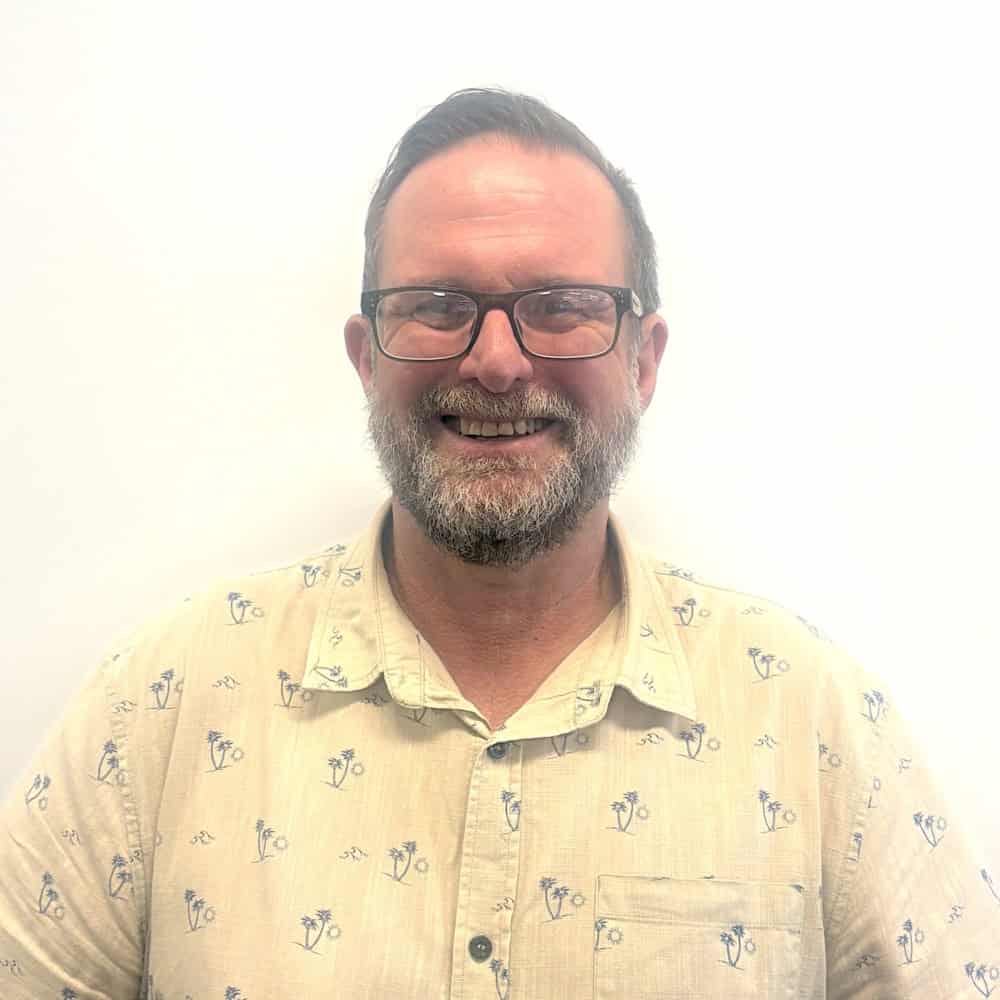
Gordon Smith
Clinical Nurse Hospital and Health Service
 Career Profiles
Tell us about your career so far in the mental health sector.
I qualified with a Diploma in Mental Health Nursing in 2006, then undertook a degree in interprofessional working in Scotland. After relocating to Queensland in 2012 to work in the private sector, I then joined Queensland Health in 2016 to work in forensic mental health.
What made you choose a career in mental health?
I found mental health by accident! Working as a store clerk in a forensic mental health hospital in Scotland gave me insight into the role. It appeared appealing, so i began upskilling and gaining entry level qualifications.
What do you find most rewarding about your current role?
There are so many rewarding components to the job, like advocating for clients, face-to-face engagement, risk management, educating clients and staff, engaging with stakeholders, working with junior and student staff, contributing to the growth of the service and influencing better outcomes for our consumers.
What do you find most challenging about your current role?
The governments’ and educational establishments’ views on educating mental health nurses for the future. There is a substantial shortfall in mental health education in Australia in comparison to the UK model of education. It is such a continued challenge to try to educate staff to key components of the forensic approach when they have no foundational knowledge to build upon.
What does a typical day for you look like?
Your day varies depending on the unit you work in. Forensic is initially about low stimulus environments, stabilisation and building of the therapeutic alliance. However, depending on the client’s stage of recovery, we may be more at a stage of rehabilitation and reintegration which is about promoting least restrictive practice specific to that client.
What are misconceptions you believe people have about working in the mental health sector?
I think most misconceptions come from negative media stories and/or how mental health is portrayed in movies. It’s nothing like that! To be good at this job you need to be able to communicate, be approachable and respectful.
What advice would you give to people who are interested in working in mental health?
Do it! It is a fantastic career with many rewarding and surprising moments.
Do you have any other thoughts you’d like to share?
Make mental health nursing a dedicated educational course at college or university.
Mental health impacts everyone directly or indirectly! Mental health will impact you, someone you care about, or someone you know.
Gordon Smith
Don’t judge a person based on the story you think you know about them. Are you the type of person that you would want to care for the people you love?
Career Pathway
Explore Other Profiles



Subscribe to the HTQ eNewsletter
Health research news, events and funding opportunities delivered monthly to your inbox.
Subscribe today