

Mental health nurses
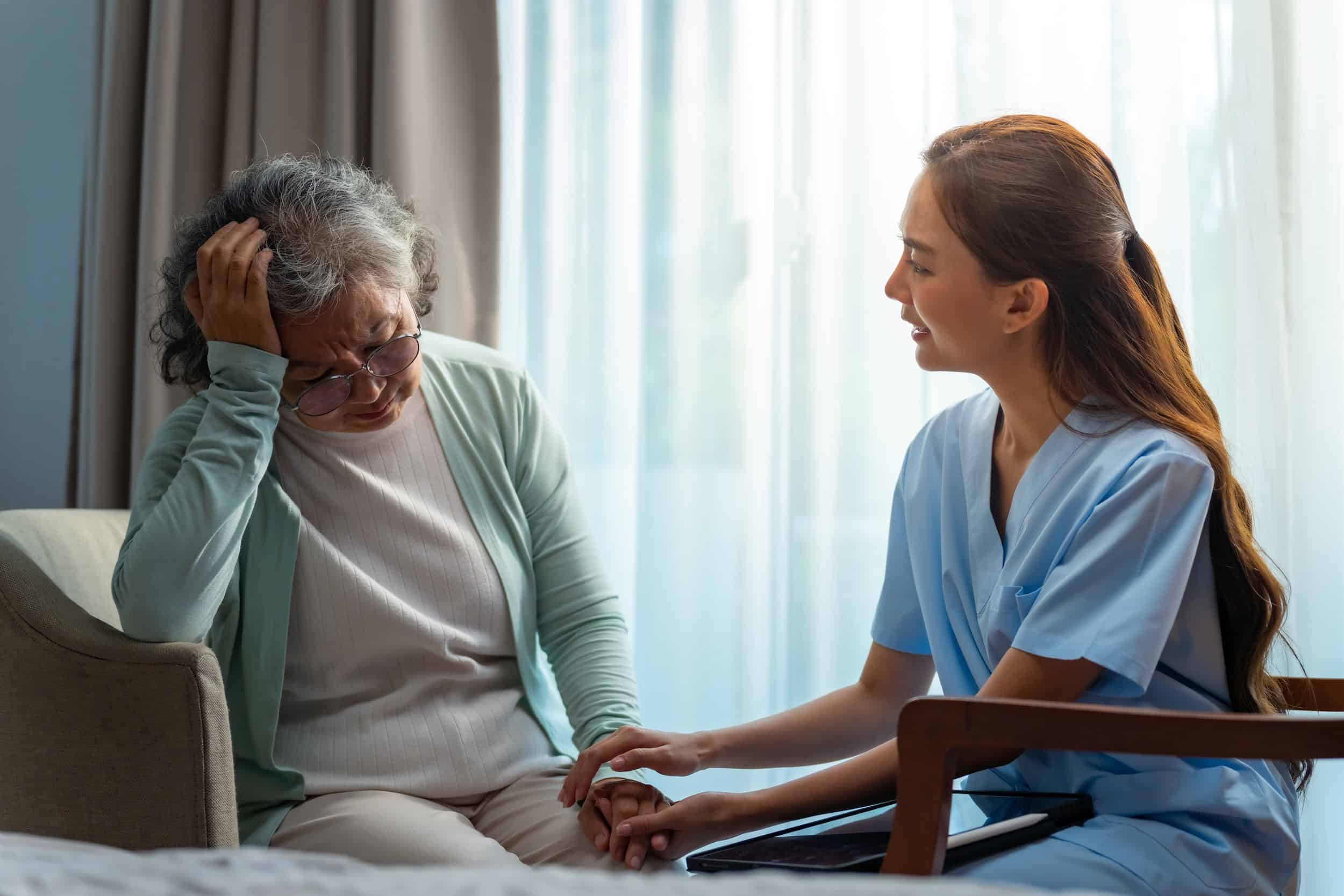
Mental health nurses play a key role in supporting people living with mental health conditions. If you’re passionate about helping others and want a career that’s rewarding, challenging, and in demand, this path could be for you.

Launch your career as a mental health nurse
Nursing is a diverse profession, with roles across hospitals, schools, aged care, and the broader community.
Mental health nursing is a specialised area focused on supporting people living with mental health conditions.
As a mental health nurse, you’ll work closely with individuals, their families, and other health professionals to provide care that improves mental and physical wellbeing. You’ll use therapeutic approaches to help people through complex situations, and make a real difference in their lives.


What is a mental health nurse?
A mental health nurse is a registered nurse with extra training in mental health. They support people experiencing mental illness through:
- assessing, treating and caring for people with lived/living experience
- crisis support
- education and advocacy
- trauma-informed care
- collaboration with other health professionals.
Mental health nurses work in a wide range of roles, with around 25,000 employed across Australia as of 2022. Whether supporting someone in crisis, recovery, or prevention, their focus is on the person’s goals, rights and experience.
Become a mental health nurse in Queensland
What qualifications do mental health nurses need?
To become a mental health nurse in Australia, follow these steps:
1. Study a Diploma or Bachelor of Nursing
This is your starting point to become an enrolled nurse (EN) or registered nurse (RN).
2. Register with Ahpra
After you graduate, you’ll need to register with the Australian Health Practitioner Regulation Agency (Ahpra).
3. Complete postgraduate study in mental health nursing
You can do this through a Graduate Certificate, Diploma, or Master’s degree.
4. Get credentialed (optional)
The Australian College of Mental Health Nurses offers credentialing. It’s not required, but it can boost your skills, confidence, and job opportunities.
Further specialisation
Some mental health nurses choose to specialise in a particular area of care. While not essential, it can deepen your knowledge and open up more career opportunities. Common roles include:
- child and adolescent mental health
- alcohol and other drugs
- psychiatric rehabilitation
- older person’s mental health
- eating disorders
- forensic mental health.
Helpful skills and attributes
Mental health nursing combines clinical skills with compassion, communication, and resilience. These personal qualities are just as important as formal training:
- strong communication and active listening
- empathy, compassion, and emotional awareness
- patience and the ability to stay calm in high-pressure situations
- a non-judgmental and respectful attitude
- teamwork and the ability to collaborate with other professionals.
Where do mental health nurses work?
Mental health nurses are needed across many parts of the health care system: in cities, regional areas and remote communities. Their work often depends on the needs of the people and the setting they’re in.
You might work with children, young people, adults or older adults. You could be based in a hospital, out in the community, or in a more specialised setting, including:
- mental health units in public and private hospitals
- emergency departments, helping during a mental health crisis
- rehabilitation or detox centres for alcohol, other drug, or behavioural support
- eating disorder clinics and residential programs
- aged care homes, supporting older adults with mental health conditions
- community health services, offering outreach and local support
- private practices, in partnership with psychologists or GPs
- prisons or youth detention centres, supporting forensic mental health care.
The daily life of a mental health nurse in Queensland
Mental health nurses often work in fast-paced, emotionally charged complex and rapidly changing environments and no 2 days are the same. But they also witness real progress, connection, and recovery. Each shift, they might:
- assess patients to see how they’re feeling and coping
- adjust care plans based on someone’s progress or situation
- support someone to identify and work towards their recovery goals
- help a family understand what their loved one is going through
- work side-by-side with doctors, psychologists, occupational therapists and social workers.
They also keep detailed notes, support junior staff, and take part in ongoing training. Above all, they’re a steady, supportive presence, helping people feel safe, respected and cared for.
A career path into research
As well as clinical care, there are also mental health nurses who work in research. Mental health research nurses play a vital role in advancing new treatments and improving care. They work closely with patients, clinicians and research teams to deliver clinical trials in real-world settings.
Often, mental health nurses:
- conduct clinical trial visits for people with mental health diagnoses
- host information sessions at clinics and support participant recruitment
- interview potential participants and manage informed consent
- screen participants for eligibility and ensure protocol adherence
- carry out clinical assessments and monitor side effects or adverse events
- administer investigational products and manage biological samples
- enter and manage trial data with precision and confidentiality
- liaise with treating teams, researchers and key stakeholders to ensure smooth trial delivery.
Their work bridges clinical care and research, supporting patients while contributing to the future of mental health treatment.

Meet Rob
Nurse Practitioner
“What made me choose a career in mental health is an interest in people, an enquiring mind and the opportunity to work with families/carers and other agencies … and the ability to make a difference through engagement, respect and mutual goals to enhance health outcomes for individuals experiencing mental illness.”

Meet Jazzie
Clinical Facilitator
“I love being able to talk to people, really offer them my support and time, and work on their recovery. I find it rewarding to help people through their recovery journey and seeing people learn to live quality lives with their mental illness.
Clients I have worked with have also been so inspirational and empowering for me to see them work through and overcome challenges. It is amazing!”

Common questions about mental health nurses
A mental health nurse may provide care and treatment to people with a variety of concerns and conditions, such as:
- depression
- bipolar disorder
- anxiety
- postnatal depression
- substance abuse
- eating disorders
- self-harm
- suicidal attempt, ideation, or risk
- schizophrenia
- psychosis
- post-traumatic stress disorder
- obsessive-compulsive disorder.
A mental health nurse has a broad array of responsibilities, which are reliant on the setting in which they work. These may include duties such as assessment, care planning and delivery, including:
- medication support
- risk assessment and management
- education
- counselling
- advocating for patients’ rights.
A mental health nursing care plan allows nurses to plan, document and evaluate a patient’s treatment options, interventions and target outcomes relevant to their diagnosis. It is based on a collaborative approach with other health professionals, the patient, their families and other relevant parties.
Salaries for mental health nurses in Australia can vary based on location, experience and the specific employer. According to SEEK, the average annual salary for mental health nurse positions in Australia ranges from $110,000 to $120,000.
It’s important to note that these figures can fluctuate depending on factors such as years of experience, additional qualifications, and the health care setting in which one works. For the most accurate and current salary information, it’s advisable to consult the latest job advertisements and enterprise agreements relevant to your area.
A full-time nurse works an average of 38 hours per week. This may be adjusted depending on personal choice, work setting, and job requirements. Shifts may be carried out throughout the day or night and are most often 8 or 12 hours long.
A large portion of nurses are aged between 45 and 54 years, with the current median age being 47 years.
Approximately 60% of mental health registered nurses work in capital cities. Mental health nurses are required in rural, remote, and metropolitan contexts, which may be through face-to-face service delivery and telehealth sessions.
Currently, there is a serious shortage of mental health nurses across Australia. As recently as 2025, the Australian College of Mental Health Nurses called for changes to better manage the mental health workforce crisis in New South Wales.
At our current rate of growth, Australia is estimated to be 60% short of the demand for mental health nurses by 2030. This is a crucial field in mental health support and management, and there is a constant need for new workers.
