


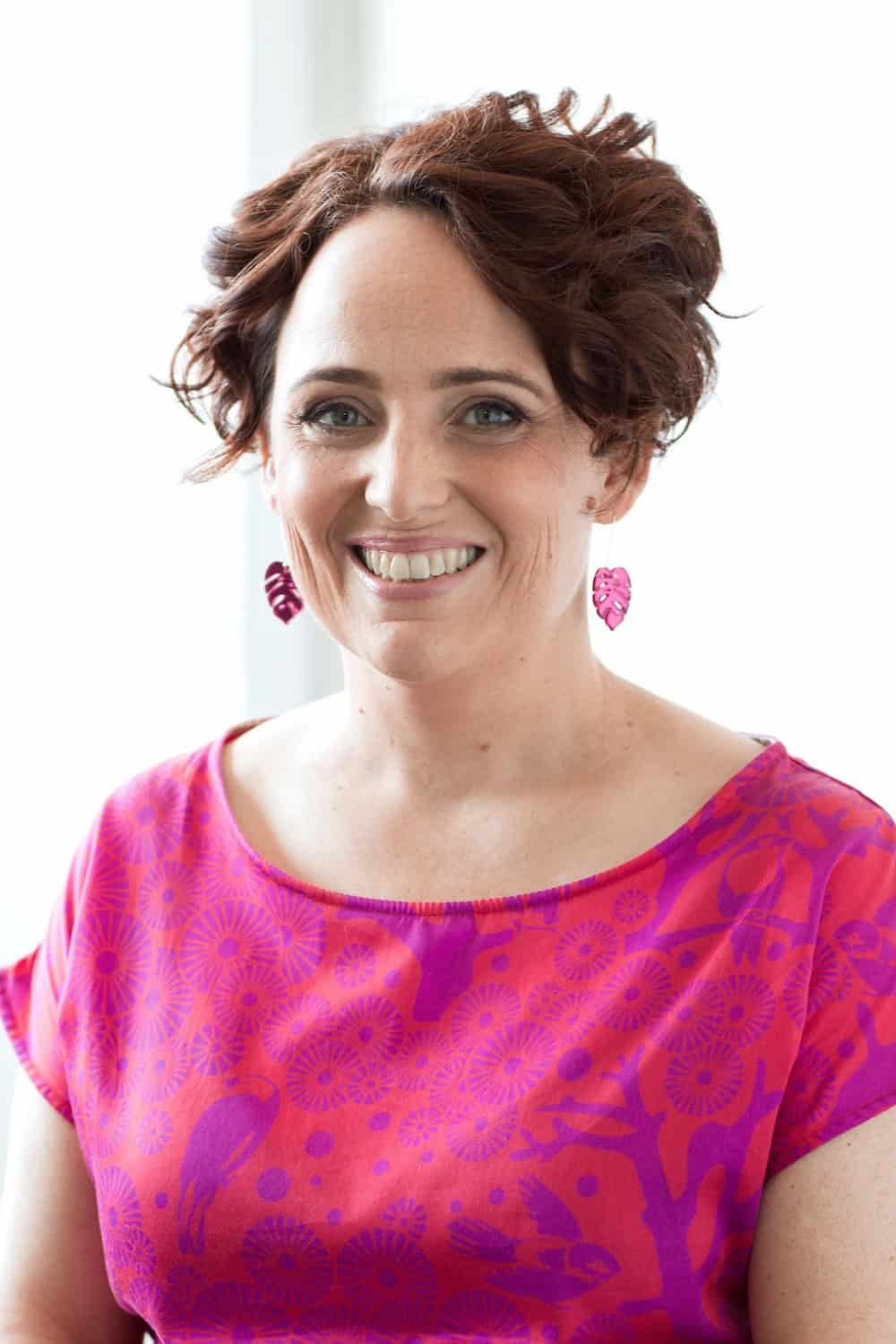
Kate Aitchison
Senior Music Therapist Hospital and Health Service and University
 Career Profiles
Tell us about your career so far in the mental health sector.
I’ve been a senior music therapist and researcher who has worked in public child and youth mental health services (CYMHS) since 2008. I registered with the Australian Music Therapy Association in 2005 and obtained a master’s degree in mental health in 2015. My PhD was conferred through The University of Melbourne in 2024.
I have led numerous music therapy and creative arts therapy initiatives in Queensland Health, including, but not limited to, designing a training package titled “Creative arts in healthcare: A guide for clinicians”, undertaking a 3-year music therapy workforce planning project funded by the Queensland Office of the Chief Allied Health Officer, and leading a feasibility study regarding music therapy and art therapy in community CYMHS clinics. I’m currently employed half-time with Queensland Health, and half-time in a postdoctoral research fellow position with The University of Queensland.
What made you choose a career in mental health?
A personal and family history of mental health challenges and an interest in the psychosocial wellbeing of all people led me to choose a career in mental health. I have several close family members who have experienced severe and complex mental illness and one family member who died by suicide. I also experienced severe post-natal depression after the birth of my first daughter, leading me to seek psychiatric support. Consequently, I am a passionate advocate for consumer and carer voices in service provision and research. My choice of music therapy as a career was based on my love of music and my desire to make a difference in the lives of those living with mental illness. Music offers effective and side-effect-free methods for reducing anxiety, improving mood, building self-confidence and esteem, and connecting socially with others. I wholeheartedly believe that music therapy should be universally accessible.
What do you find most rewarding about your current role?
The most rewarding aspect of my role is observing adolescents (young people) change and grow as a result of their engagement with music therapy. I work with young people who have been low in mood and socially isolated for many years. I see these young people brighten and begin to smile, laugh and chat with one another during music therapy group sessions. I observe them gradually improve in confidence and self-esteem through actively engaging with music, a highly valued and age-appropriate medium.
What do you find most challenging about your current role?
Lack of accessibility of music therapy for children and adolescents accessing health care in public settings throughout Australia is extremely challenging for me to observe. Similarly, a lack of employment opportunities and career progression pathways for music therapists working in public health settings is very challenging. Unfortunately, this leads to loss of talent to the private sector, impacting quality of care for consumers and caregivers.
What does a typical day for you look like?
My clinical workday typically begins with a handover, where the multidisciplinary team talk about each of the young people in our care and plan support for the day. During the day, I provide individual music therapy assessment and treatment sessions, and group sessions. I also support other therapeutic activities such as supervising break times and co-facilitating other therapeutic groups. Like other multidisciplinary clinicians, I write notes on each session for each consumer I see. I also attend care reviews, contribute to quality improvement activities within the team and the broader service and attend discipline-specific meetings.
What are misconceptions you believe people have about working in the mental health sector?
- I think people may consider this work difficult or even dangerous.
- They may also think that they need to be a completely ‘together’ person, without any personal mental health challenges, to work in the field.
- Perhaps there is also a perception that mental health services are not as well funded as other health services.
What advice would you give to people who are interested in working in mental health?
If you want to work in public health, it is best to study psychology, social work, occupational therapy or nursing. The smaller disciplines are less represented in mental health, which can be challenging.
Music therapy and art therapy evidence is growing and there is significant support for these disciplines amongst consumers and caregivers. In Victoria, music therapy is listed in the school’s mental health plan, and there are new graduate music therapy positions being trialled in public health. It would be great to see Queensland follow this initiative.
Explore Other Profiles


Subscribe to the HTQ eNewsletter
Health research news, events and funding opportunities delivered monthly to your inbox.
Subscribe today