


Suicide prevention peer workers
Across Queensland and beyond, suicide prevention peer workers are helping to reshape how we support people in distress. They offer something no training alone can provide: the insight, trust and empathy that comes from lived or living experience. Whether they’ve faced suicidal distress themselves, lost someone to suicide, or supported a loved one through crisis, their role is built on connection, not diagnosis.

What is a suicide prevention peer worker?
A suicide prevention peer worker is a paraprofessional who draws on their lived or living experience of suicide, whether through personal distress, bereavement, or supporting someone else, to provide non-clinical, trauma-informed, person-centred support.
They offer emotional support, model recovery, reduce stigma, and help individuals navigate care. These workers also advocate for systemic change and demonstrate how lived experience can meaningfully contribute to suicide prevention.
Become a suicide prevention peer worker in Queensland
What qualifications do I need?
Lived or living experience of suicide is the foundational qualification, used purposefully and ethically to support others.
Formal training is often highly regarded and may include:
- Certificate IV in Mental Health Peer Work, the nationally recognised qualification
- Roses in the Ocean training (e.g. Voices of In-Sight, Our Voice in Action)
- Intentional Peer Support (IPS)
- trauma-informed care, cultural safety, and recovery-oriented practice workshops.
Core capabilities include:
- effective communication
- ethical use of lived experience
- team collaboration and reflective practice
- person-centred care.
Most roles include on-the-job learning and require regular supervision and reflective practice to maintain sustainability and safety.
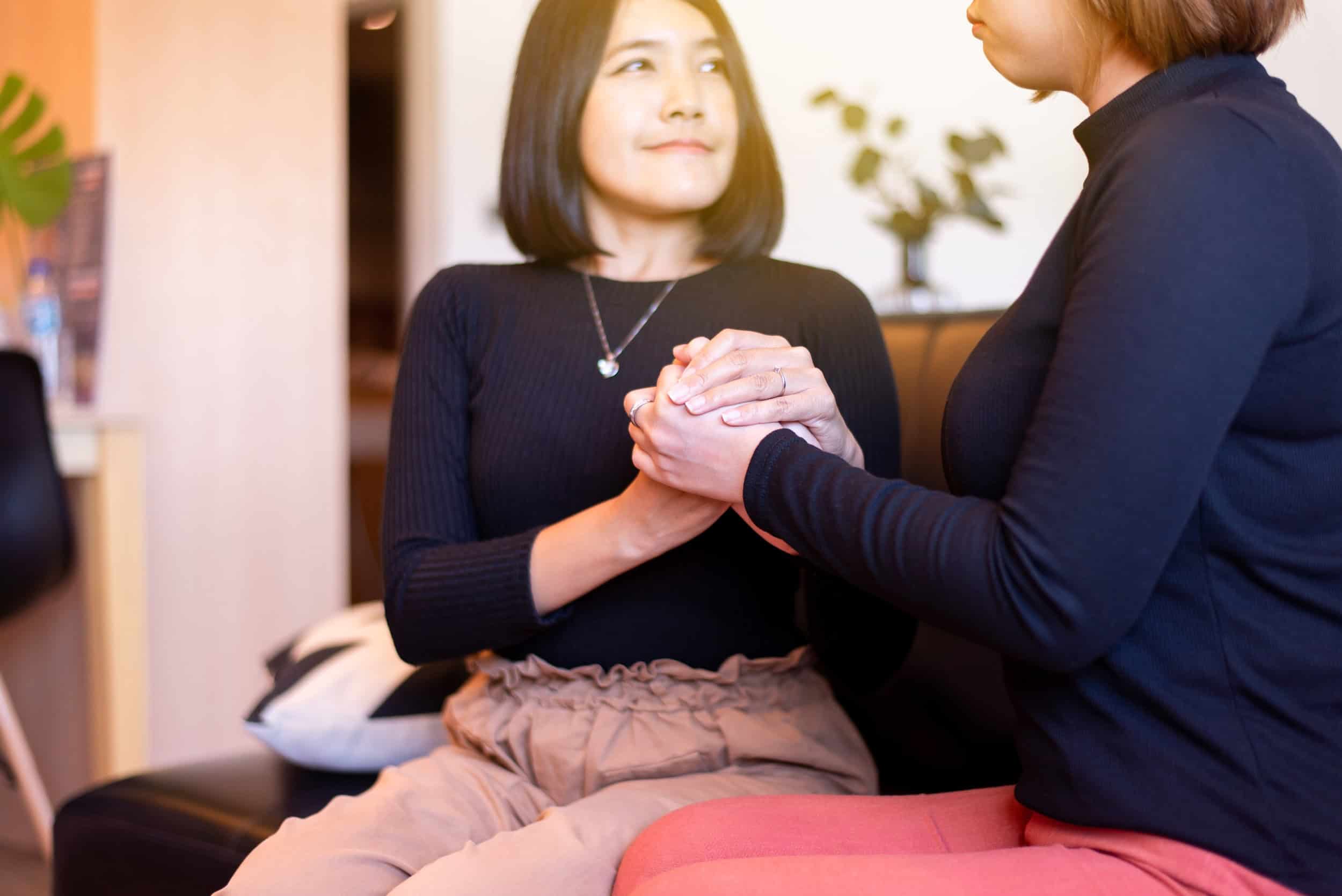
Where do suicide prevention peer workers work?
Suicide prevention peer workers can be found in a wide variety of settings across Queensland and Australia, including:
- Safe Havens and Safe Spaces (NSW, VIC, QLD, WA)
- Aboriginal Community Controlled Health Organisations (NACCHO)
- The Way Back Support Service
- StandBy Support After Suicide
- Lived Experience Organisations
- Emergency Departments (EDs)
- coronial and bereavement services
- PHN-commissioned services
- inpatient units and Hospital in the Home (HITH) teams
- peer warm lines (Department of Health, 2021).
Emerging opportunities are also growing in:
- justice settings (e.g. ACT Justice Health, WA trials)
- education (schools, TAFEs, universities)
- digital platforms (e.g. ReachOut, SANE)
- community initiatives (e.g. Men’s Sheds, LGBTQIA+ peer-informed services)
- workplaces (supported by initiatives like the Suicide Prevention Workplace Blueprint).
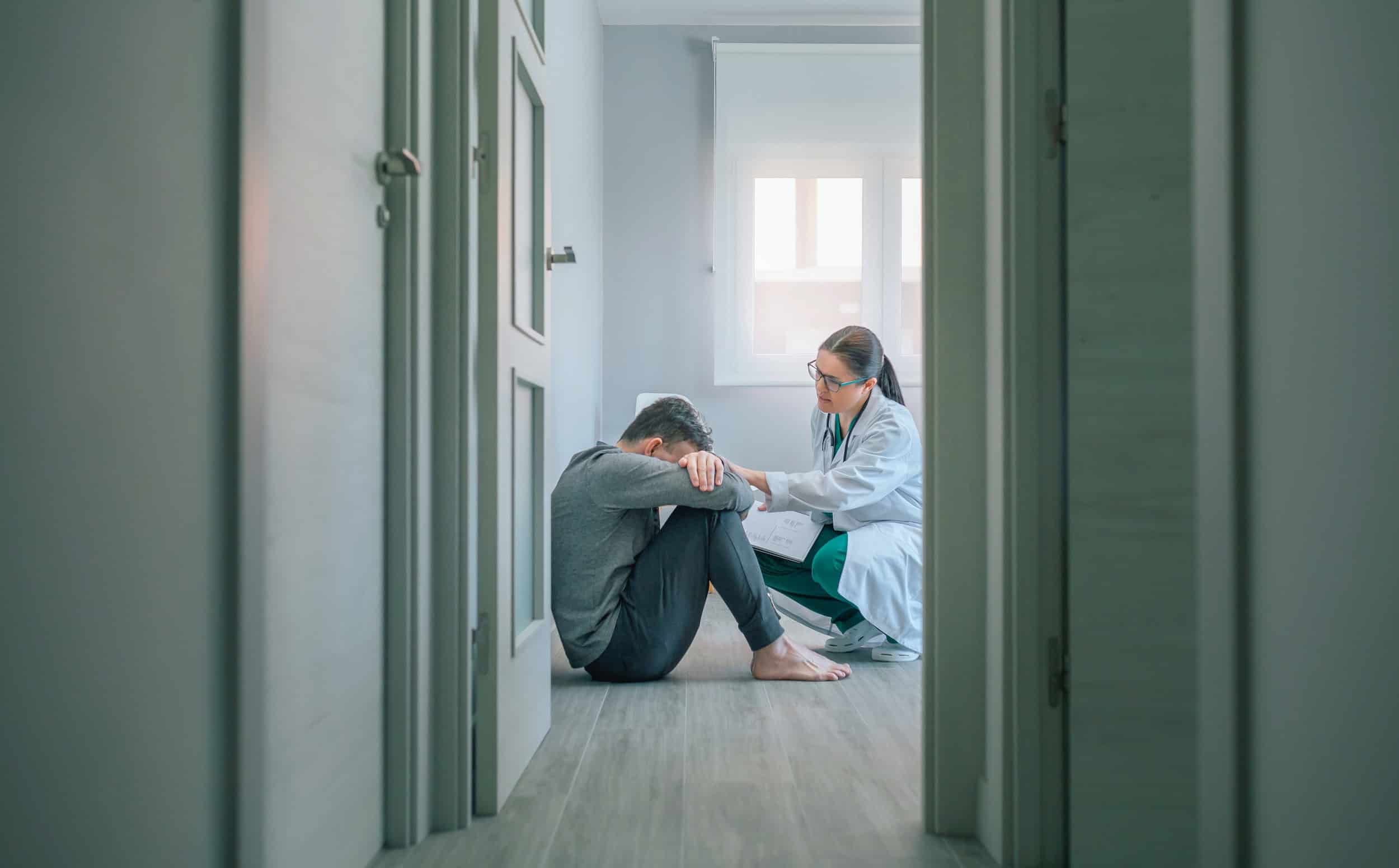
The daily life of a suicide prevention peer worker in Queensland
A typical day might include providing one-on-one support in Safe Spaces, hospitals, or community settings; co-facilitating peer groups; contributing to safety planning and service co-design; and attending reflective practice or clinical meetings.
Peer workers also collaborate with clinicians, manage light administrative duties, and ensure support is provided within clearly defined role boundaries.
They may also support individuals after a crisis, reconnecting people to their communities, reinforcing coping strategies, and ensuring continuity of care. Every activity is grounded in trust, connection, and the ethical use of lived experience.


Common questions about suicide prevention peer workers
While lived or living experience is the core qualification, most roles value or require formal training in peer work, trauma-informed practice, and recovery-oriented care.
No. Peer workers provide complementary, non-clinical support based on shared experience. They collaborate with clinical teams but do not take on clinical tasks.
Yes. Many complete the Certificate IV in Mental Health Peer Work and undertake specialist training from organisations like Roses in the Ocean.
It can be. Peer workers often support others with similar lived experiences, so reflective practice, supervision, and team support are essential. Boundaries and ongoing debriefing are key to sustainability.
This is a fast-growing field. Roles are expanding beyond direct support into policy, system reform, education, and service co-design. Demand is rising across mental health, justice, education, and workplace settings.
No. Lived experience may include suicidal thoughts, attempts, bereavement by suicide, or caring for someone in distress. What matters is being ready, supported, and trained to use that experience safely and effectively.
- Emotional intensity, particularly when others’ stories resonate personally
- Role confusion, where peers may be asked to perform clinical tasks
- Tokenism, where peer voices are included without meaningful involvement
- System rigidity in hierarchical or medicalised services
- Workforce isolation, especially when peers are the only one in a team
- That peer workers are unwell or unprofessional
- That peer support is just “talking” and not skilled work
- That lived experience equates to instability, rather than resilience and insight
Browse careers

Find training providers in Queensland

